Michigan-based health tech startup Authsnap closes out a successful year with the announcement of another major milestone. The AI-powered healthcare denials management program has received new grant funding, which supports the launch of a nationwide pilot program aimed at reducing medical-necessity insurance denials – the most complex and financially damaging category for United States health systems.

On The National Scale
The new funding supports a 90-day national pilot program where 3-5 selected multi-site clinics or health systems across the country will gain full access to Authsnap’s platform at no cost while contributing operational data to a first-of-its-kind report on denial quantification and recovery outcomes. Organizations participating in the pilot study will receive access to denial quantification analysis, root cause analysis, and AI-generated clinical appeal drafts with physician validation, all resulting in a projected 70% reduction in medical-necessity denials. At the conclusion of the 90-day trial period, participating clinics will also obtain a customized ROI report and will have their results included in a national outcomes report. Any clinics or health systems interested in taking part are encouraged to apply.
Addressing The Problem
Insurance claim denials typically cost the U.S. healthcare system an estimated $262 billion every year, with medical-necessity denials representing one of the largest sources of preventable lost revenue. Authsnap’s AI-driven platform looks to address this issue by using machine learning to draft appeal letters for each specific case, before sending these letters to a team of human claims specialists to review for accuracy before being submitted. This helps to reduce workload for hospital staff by up to 95% and increases overturn rates of medical-necessity denials by up to 70%.
Building A Solution
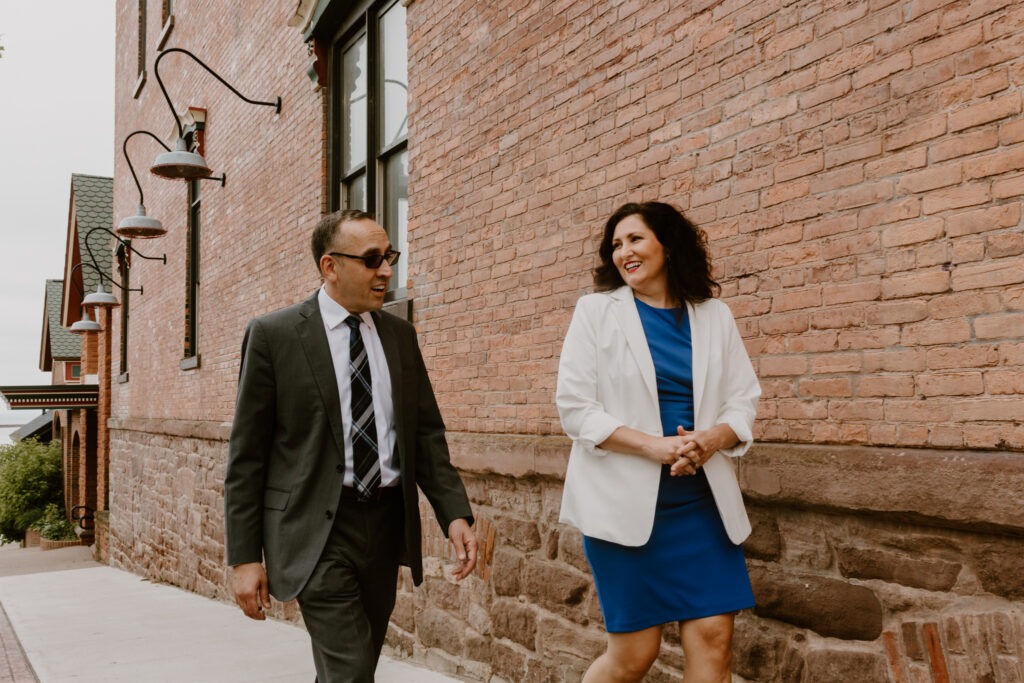
Authsnap was founded by a team of medical professionals who have seen firsthand how detrimental denied health insurance claims can be. Founder Gretchen Heinen, RN, whose career in hospital and payer utilization management exposed her to the systemic inefficiencies of manual clinical appeals partnered with Dr. Wael Khouli, MD, MBA to create a solution. Them and their team have been able to build an AI system that aligns with payer policies, clinical guidelines, and patient safety standards, therefore filling a gap left by traditional denials vendors.